

December 2, 2021

the minority report on faith and culture
Give $.10 for each light bulb in your home.
Give $.10 for each light bulb in your house.


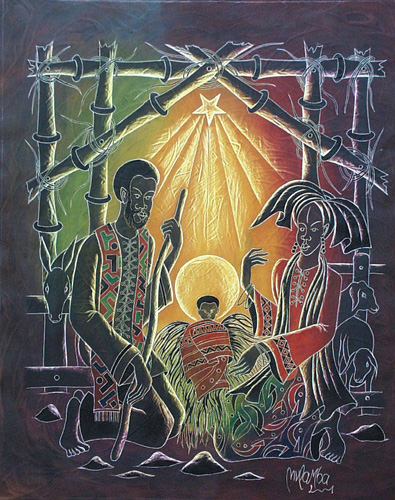
Give $.10 for each writing instrument in your home.

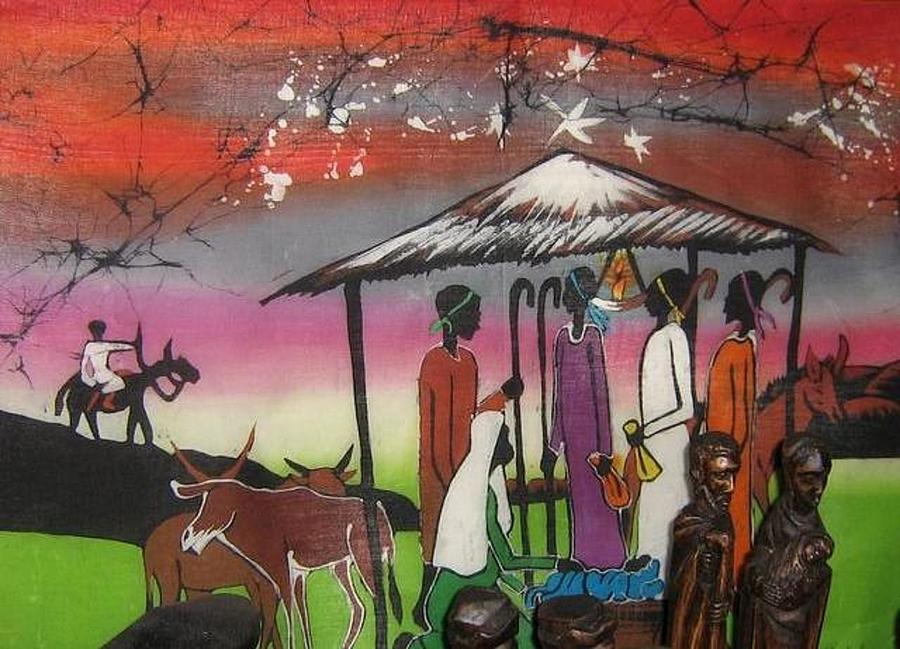
Cut three coupons from your grocery circular. Purchase the items and donate them to your local food pantry.


Advent is a radically subversive spiritual discipline. The world around us is gearing up for unbridled consumerism, increasing most family’s debt load, and giving more to people who already have too much. Advent, by contrast, is a season of waiting and quietude. It is a time to ponder what this wild and wonderful faith journey is all about. Such pondering can lead us to make lasting changes in how we interact with the culture around us, embodying the promise and presence of Christ in the world.
The first Sunday in Advent is traditionally called the “Little Apocalypse.” Apocalypse is a Greek word meaning “end things.” So we begin by considering what the promise of Christ looks like in the future. There are a hundred theological arguments, which are comical, since no one really knows. Much ink and more than a little blood has been spilled considering these “end things.”
By now you may be wondering why any of this matters; and I get it. Stick with me for a few hundred more words and hopefully it will make some sense.
Andrew Harvey sets the stage with these words, “The Second Coming will not, I believe, be the returning of Christ as a figure: that version perpetuates the old deification of Christ that has kept his force inert in history. The real Second Coming will be the birthing of the Christ consciousness in millions of human beings who turn…towards the fire of love and take the extreme risk of incarnating divine love in action on earth.”
There are a host of Hollywood images that depict the end times. They have more to do with Cecil B. DeMille than with what matters in our lives. The second coming is the gradual in-breaking of God’s more complete realm in the hearts and lives of those who claim to follow the way of Christ.
The second coming is at once profoundly hopeful for the world and completely transformational for us. It begs us to ponder the great questions of our faith:
Interacting with the profound questions of faith furthers our transformational journey and also bears hope for the world. As we begin to believe differently, we begin to act differently in the world around us. It is the dance of a lifetime, always exploring our beliefs, deepening our faith and living a life of discipleship.
Take some time to consider what the world would look like if the Christ consciousness were to be the defining experience of humanity. I do NOT mean that all the world should become Christian. The Christ consciousness, the universal Christ, which is to say love, justice and peace lie at the heart of every great religious tradition in the world. I firmly believe that it does not matter what path we follow, but rather that the path leads us to embody these universal values. As followers of Jesus, we seek to embody his teachings in the way we live. For followers of Islam or Judaism, they seek to embody the teachings of their great leaders in their own lives.
In this Advent season, the coming of the Christ Presence in Jesus is ours to ponder and celebrate. We search the dusty corners of our own beings to root out all the places where other priorities have taken root. By tilling the soil of our own spiritual gardens we make ready for the coming of the Christ consciousness in the coming of Jesus.
May your Advent Season be blessed with pondering, prayer and preparation.
****
Each day I will post a suggestion from my alternative Advent calendar. Rather than buying gifts you are invited to give gifts based on your own abundance. Then, as the Christmas season unfolds more fully, to take what you have gathered and give it to your favorite charity. This is an activity that can be done as an individual or as a family. It is a host of simple activities with a nominal price tag. In the aggregate they combine to make a difference in the lives of others.
Take a container and label it “Abundance.” Leave it in a prominent place in your home as a reminder of a different Advent rhythm.
Alternative Advent Calendar November 28, 2021: Give $1.00 for each person for whom you buy gifts.
 The Irreverent Reverend