December 9, 2021

the minority report on faith and culture

Give $.25 for each piece of fresh fruit you ate today.

Give $.10 for every kitchen appliance you own. Include portable ones.

Give $.05 for every chair you own.

Ronald Rolheiser writes, “The incarnation is not a 33 year experiment by God in history, a one shot, physical incursion into our lives. The incarnation began with Jesus and it has never ended.”
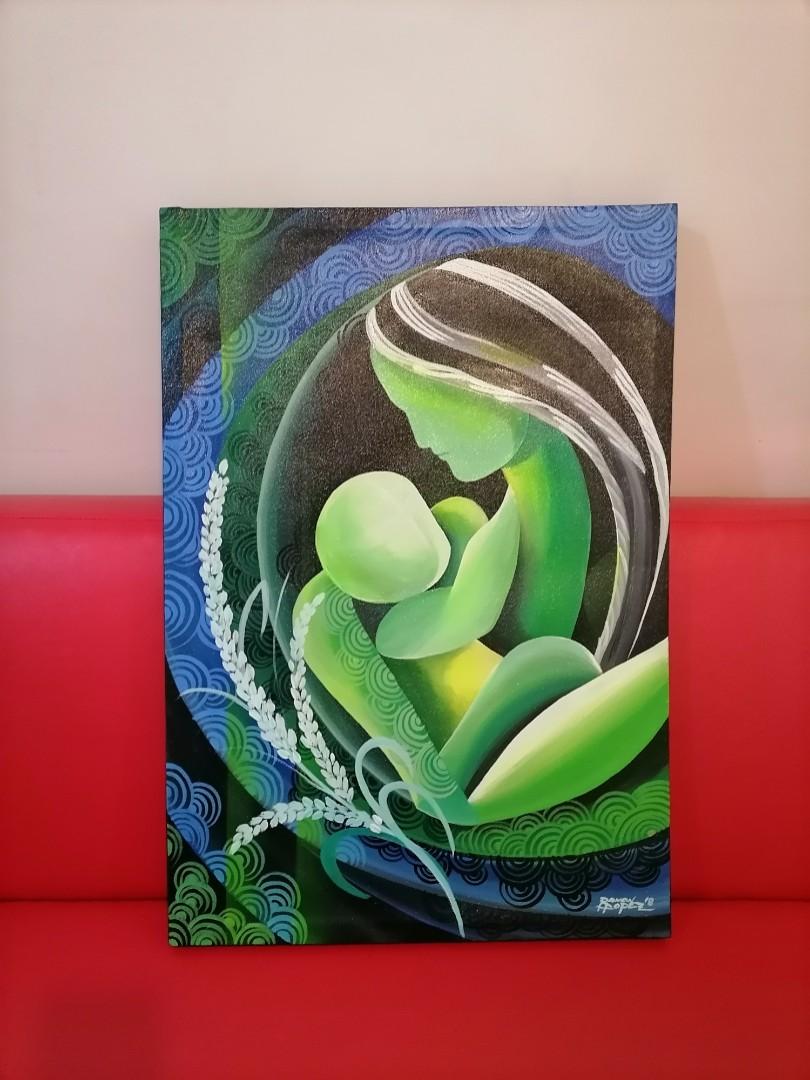
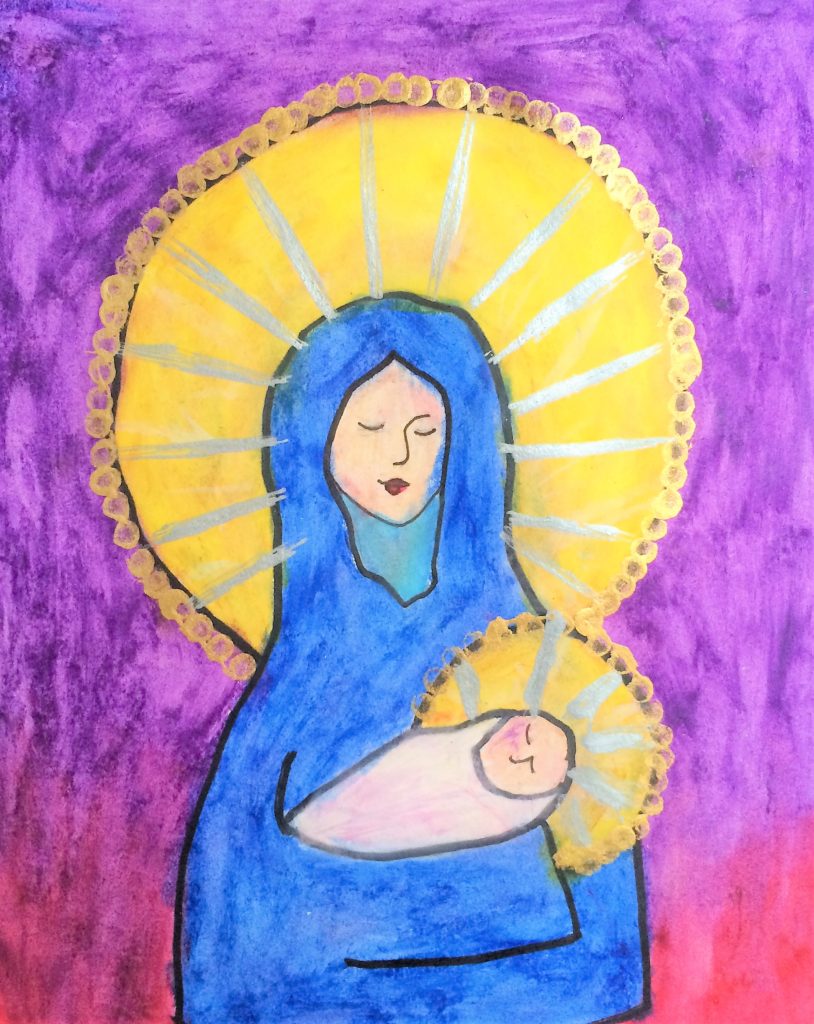
There is a tendency to think of the birth of Jesus as only an historical event long ago. Rolheiser encourages us to think more broadly about what incarnation means. Most simply it means, “God with us.” I also like to think it means God with us, within us and around us.
God is not a way-up-in-the-sky deity who cobbled the earth together in six days and kicked back for a few beers on the seventh. Incarnation suggests that God is a very real presence in the world as it exists today. Incarnation suggests that the essence of God lives deep within us and within every person.
Last week I wrote of the universal Christ consciousness. Building on that, the incarnation means that the fullness of Christ consciousness lives in us. Most of the time we are busy with other things and that still small voice gets steamrollered in the noise of the world. But when we listen deep inside, it is there.
My favorite Christian apologist Frederick Buechner speaks of incarnation in this way:
“The word became flesh, wrote John, and dwelt among us, full of grace and truth (John 1:14). That is what incarnation means. It is untheological. It is unsophisticated. It is undignified. But according to Christianity, it is the way things are.
All religions and philosophies that deny the reality of the significance of the material, the fleshly, the earthbound, are themselves denied. Moses at the burning bush was told to take off his shoes because the ground on which he stood was holy ground (Exodus3:5), and incarnation means that all ground is holy ground because God not only made but walked on it, ate and slept and worked and died on it. If we are saved anywhere, we are saved here. And what is saved is not some diaphanous distillation of our bodies and our earth, but our bodies and the earth.
One of the blunders religious people are particularly fond of making is the attempt to be more spiritual than God.”
Incarnation happens in the messiness and humanness of life. Every experience of our lives is fodder for incarnation. In our greatest joys we often feel the presence of God. In like fashion, in our greatest trials we can also feel the presence of God, though it is sometimes difficult to see through the tears. God doesn’t inhabit our lives just when things are peachy keen, but in every moment, whether filled with joy or sorrow. That still small voice is always inside beckoning us home to our deeper truer selves.
The same is true with the joys and sufferings of others. God is with them and within them too. Here’s the catch, though, sometimes our presence with others is what helps them feel the presence within themselves. We reflect the face and presence of God to one another in the way we are present to others and the way we live every day.
When we live out of our center, our core, we embody the Christ consciousness in our lives. Incarnation is not just, or even primarily, a baby born long ago. It is a constant rebirthing of God within, among and around us.
Give $.05 for every CD/DVD downloaded music/entertainment file you own.